No Label, No Problem: How Nashville's DIY Generation Is Crashing the Billboard Charts From Their Spare Bedrooms
For decades, the path to success in Nashville followed a pretty familiar script. You moved here, you played the writers' rounds, you got a publishing deal, you caught the ear of an A&R rep, and — if the stars aligned — you signed your name on the dotted line and let the machine do the rest. The gatekeepers were real, the ladder was tall, and most people never made it past the second rung.
That script is getting shredded in real time.
Across Nashville's neighborhoods — from East Nashville apartments to Antioch home studios — a generation of artists is building genuine, sustainable careers without ever setting foot inside a major label office. They're racking up hundreds of millions of streams, selling out shows, and moving merchandise at a pace that would make a traditional marketing team sweat. And they're doing it largely on their own terms.
The Bedroom Is the New Studio
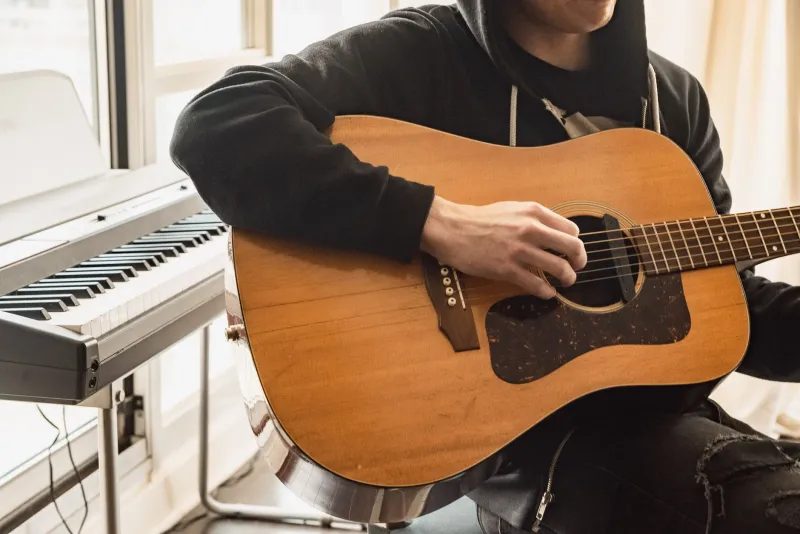
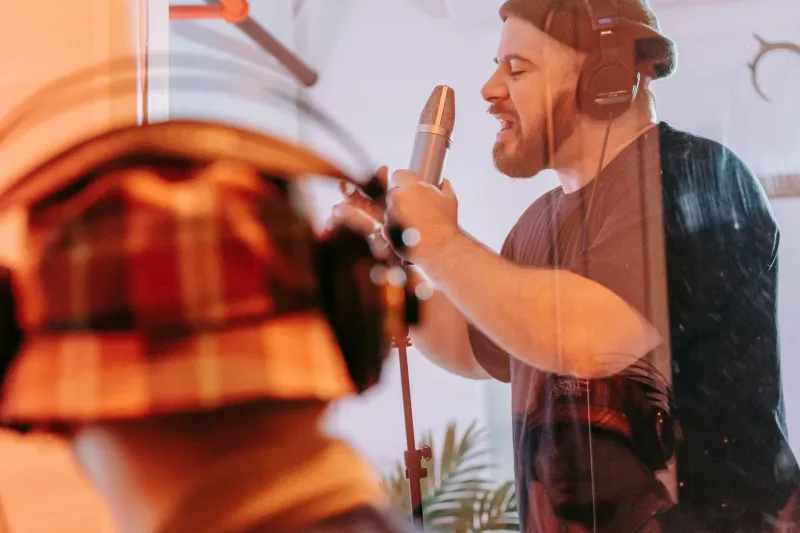
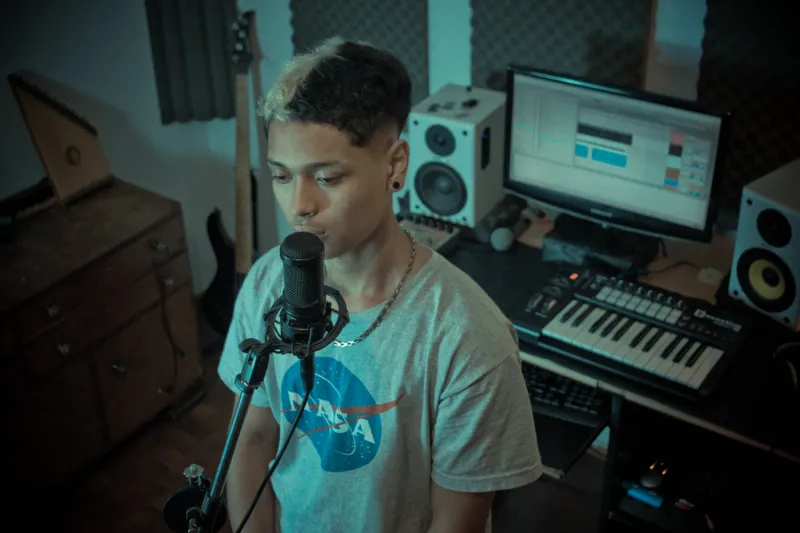
The tools that once required a six-figure budget are now available for a few hundred dollars a month. A solid audio interface, a decent condenser mic, a laptop running Logic or Pro Tools, and you've got a recording setup that would have seemed like science fiction to artists cutting demos on Music Row in the '90s. Production quality that used to demand a professional studio can now be achieved in a treated closet with foam panels and some patience.
But the gear is almost beside the point. What's really changed is distribution. Platforms like DistroKid and TuneCore let artists push their music to every major streaming service for less than the cost of a nice dinner. Bandcamp gives them a direct sales channel. Patreon lets their most loyal fans fund the next record before it's even recorded. The infrastructure that used to require a label now exists in app form on your phone.
Nashville artist and producer Caleb Hawthorne — who has accumulated over 40 million streams across his catalog without a major label deal — puts it bluntly: "The label used to be the only way to get heard. Now it's one option among many, and it's not always the best one."
TikTok as the New A&R
If there's a single platform that has accelerated the DIY pipeline more than any other, it's TikTok. The app has an almost eerie ability to surface music that connects emotionally, regardless of who made it or how much promotional budget is behind it. A 30-second clip of an unknown artist performing an original song in their car can hit a million views overnight — and that kind of organic traction now carries real weight.
Labels know this. They're actively mining TikTok for talent, which creates a strange new dynamic: artists who built their audiences independently often find themselves fielding label interest after they've already proven the concept. The leverage has shifted. You're no longer coming to the table empty-handed. You're showing up with data, an engaged fanbase, and proof of concept — and that changes everything about the negotiation.
Several Nashville-based artists have used exactly this playbook. Build the audience first. Let the numbers speak. Then decide whether a label partnership actually makes sense, or whether the DIY model is already working well enough to stick with.
The Tension With Tradition
Here's where it gets complicated, though. Nashville has always run on mentorship. The city's musical culture is built on the idea that knowledge passes from generation to generation — that experienced writers, producers, and industry veterans pass the torch to the next wave. That tradition has produced some of the most enduring music in American history, and a lot of people here aren't ready to see it dismantled.
There's a legitimate argument that the DIY-first approach can skip over hard-won wisdom. The writers' room teaches you things about song construction that no YouTube tutorial can replicate. A seasoned producer's ear catches things a first-timer misses. The relationships built over years of playing rounds at the Bluebird or Commodore Grille carry a kind of context and craft that doesn't show up in stream counts.
Longtime Nashville publisher and songwriter mentor Diane Okafor has watched the shift closely. "I'm not against any of it," she says. "The tools are incredible. But I do worry sometimes that kids are skipping the part where you learn how to be wrong in private. The bedroom-to-billboard pipeline is real, but it doesn't always teach you what to do when the moment passes."
It's a fair point. Virality is not the same as longevity, and Nashville's music culture has always valued the latter.
Micro-Labels and the Middle Path
What's emerging in response to this tension is something genuinely interesting: a micro-label ecosystem that tries to thread the needle between full independence and traditional label infrastructure. These are small, often artist-run operations that offer some of the structural support of a label — marketing, distribution coordination, sync licensing connections — without demanding the kind of ownership stakes that major deals typically require.
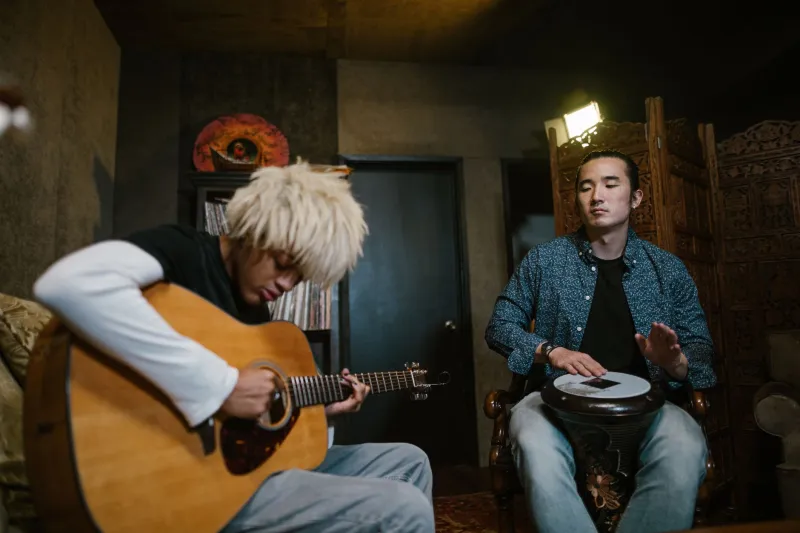
Several of these outfits have quietly set up shop in Nashville over the past few years, attracting artists who want more than a solo bedroom operation but less than a corporate machine. They're informal enough to move fast and personal enough to actually care about the artist's long-term development. In a lot of ways, they're a modern update on the mentorship model — smaller, scrappier, but still rooted in the idea that artists need a community around them.
What This Means for Music City's Identity
Nashville has survived every seismic shift the music industry has thrown at it — the transition from vinyl to digital, the collapse of the CD market, the streaming revolution — and it's come out the other side with its identity mostly intact. The city adapts. It absorbs new influences and new methods and somehow makes them feel like they belong here.
The DIY wave is no different. It's not going to kill Nashville's musical culture. If anything, it's expanding who gets to participate in it. Artists who might have been screened out by traditional gatekeepers — because their sound was too niche, their look didn't fit a particular mold, or they simply didn't know the right people — now have a direct line to an audience. That's a genuinely good thing.
The bedroom-to-billboard pipeline isn't replacing Nashville's legendary infrastructure. It's running parallel to it, and increasingly, the two are starting to intersect in ways nobody fully predicted. The artists who figure out how to move between both worlds — who can build an audience independently and then leverage that audience within the broader Music City ecosystem — are the ones who are going to define what Nashville sounds like for the next decade.
The gatekeepers haven't disappeared. They've just moved to the comments section.