The Ghost Notes: Nashville's Session Musicians Are Running the World's Hit Factory and Nobody's Saying Their Names
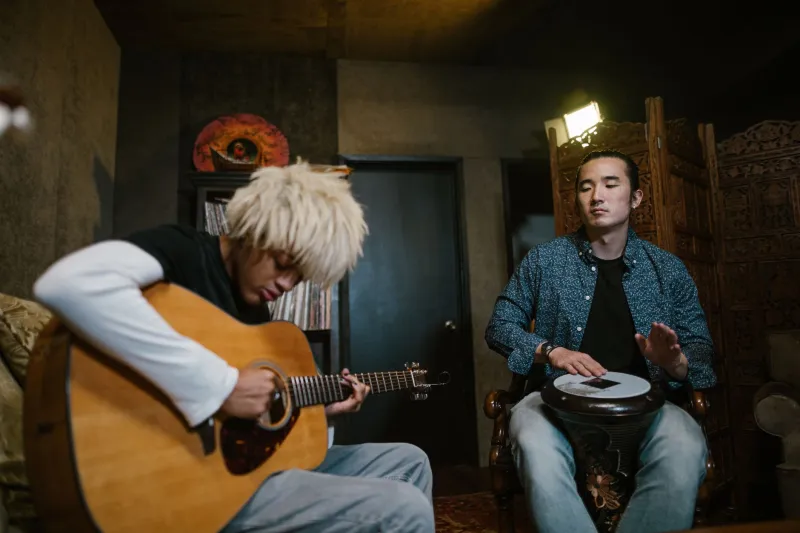
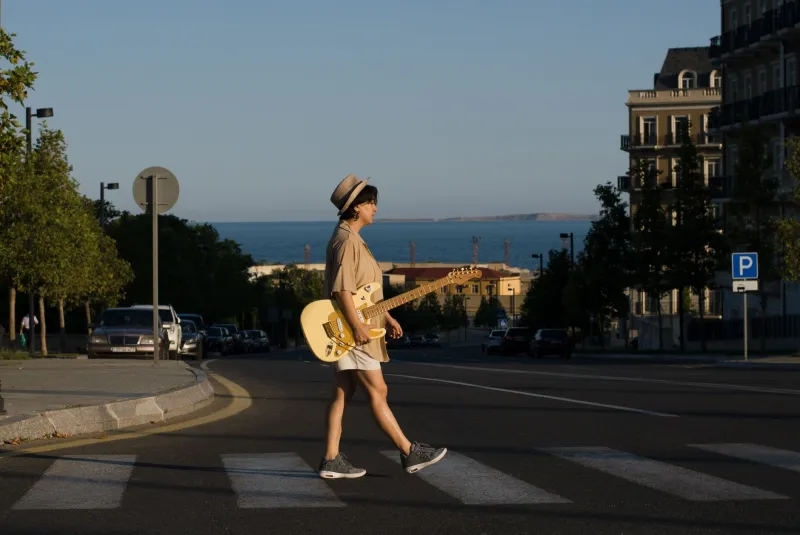
There's a guitarist somewhere on Lower Broadway right now playing a three-hour set for a crowd of bachelorette parties and birthday weekenders. He's good — really good. What those tourists don't know is that last Tuesday, he was in a studio off Music Row laying down guitar tracks for a pop album that will eventually go platinum in four countries. He won't be credited on the liner notes. He might not even hear the finished song until it hits the radio.
This is the Nashville session musician experience, and it is simultaneously one of the most creatively rich and structurally invisible careers in American music.
The Players Behind the Players
Nashville has always run on session work. The city's recording culture was practically invented by it — the so-called "A-Team" of studio musicians in the 1960s played on hundreds of records a year, backing everyone from Elvis Presley to Bob Dylan without most listeners having any idea who they were. That tradition never really died. It just got quieter, and somehow, more global.
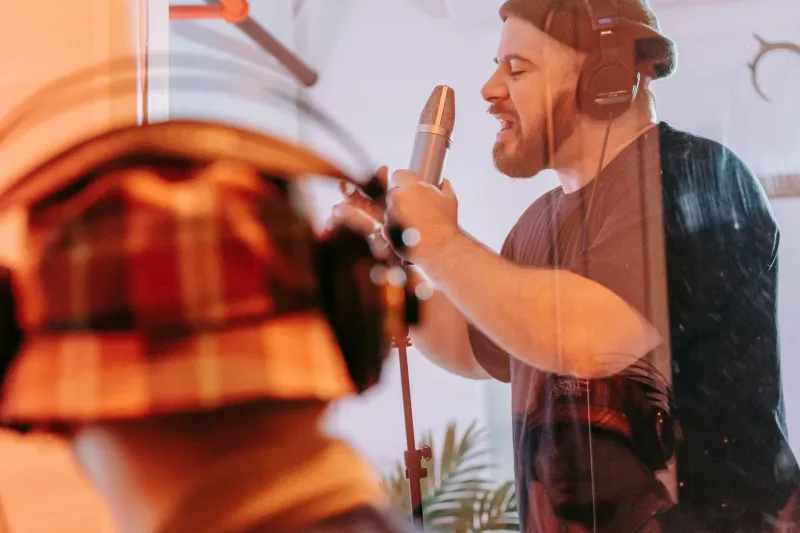
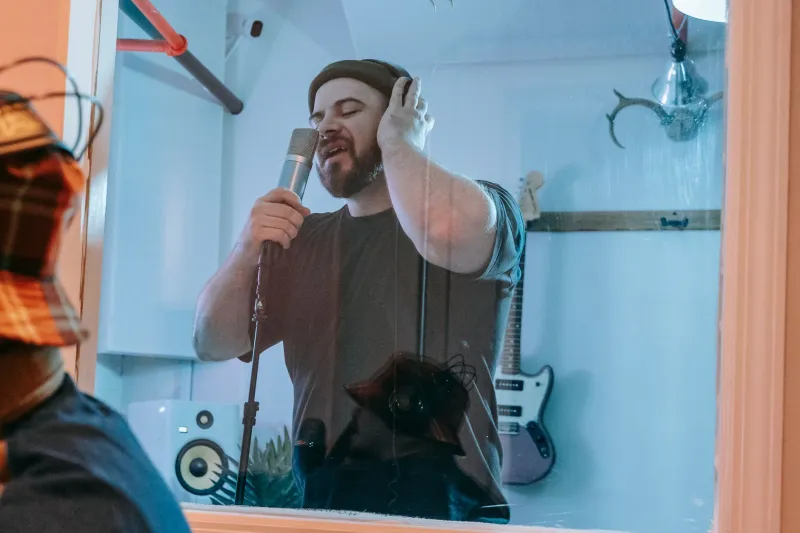
Today, Nashville's session community is a sprawling, loosely networked ecosystem of drummers, bassists, string players, pedal steel guitarists, keyboard players, and vocalists who collectively log thousands of studio hours every year. Some of them work almost exclusively in country. A growing number do not.
Producers from New York and Los Angeles have been quietly routing projects through Nashville studios for years, drawn by a combination of competitive rates, world-class engineering infrastructure, and — most importantly — a pool of musicians who can sight-read a chart in the morning, improvise a feel-based groove in the afternoon, and still make it to a gig by 9 p.m. The versatility is almost absurd.
"There's a musicianship culture here that you don't find in a lot of other cities," says one veteran session drummer who asked not to be named because he's currently under NDA for three separate projects. "People here grew up playing music, not just playing a genre. That's a different thing."
K-Pop, Hip-Hop, and the Nashville Groove
If you need evidence that Nashville's session scene has gone fully global, look no further than the steady stream of South Korean producers who have been making the pilgrimage to Music Row over the past several years. K-pop, for all its digital gloss and precision choreography, has developed a serious appetite for live instrumentation — specifically the kind of organic, slightly imperfect human feel that you simply cannot program into a DAW.
Nashville delivers that feel reliably and efficiently. Sessions that might take three days in Los Angeles can get done in one here, partly because the players are so experienced at reading a room and locking in fast, and partly because the city has a deep bench. If one guitarist isn't available, there are four more who can do the job just as well.
Hip-hop producers have been tapping Nashville's string players and horn sections for similar reasons. The lush, orchestrated sound that's defined a lot of prestige rap and R&B over the past decade — think sweeping arrangements, warm live bass, unexpected melodic textures — often has Nashville fingerprints on it. Again, without credits. Again, without acknowledgment.
The Economics of Invisible
Here's where it gets complicated. Session work pays, but it doesn't always pay fairly relative to the creative contribution being made.
The standard scale rates set by the American Federation of Musicians provide a baseline, but a lot of session work — particularly in Nashville's indie and non-union spaces — operates well below those benchmarks. A musician might earn a flat fee of a few hundred dollars for a session that ends up on a record generating millions in streaming revenue. They have no royalty stake. No backend participation. No residuals when that track gets licensed for a TV show or a commercial.
The session musician's value, in other words, is almost entirely front-loaded, while the financial upside flows almost entirely to the artists, labels, and publishers who own the masters and the publishing rights.
This isn't a new problem, but it's becoming a more visible one. A handful of Nashville session players have started speaking more openly about compensation and credit, particularly as streaming has made the economics of music even more opaque. Some have begun negotiating more aggressively for co-writing credits when their improvisational contributions meaningfully shape a song's structure or melody — a practice that has historically been resisted by labels and management teams who prefer clean, simple splits.
What They Actually Bring to the Room
But let's not reduce this to a purely economic conversation, because what Nashville session musicians bring to a recording session isn't just technical proficiency. It's something harder to quantify.
Call it feel. Call it instinct. Call it the ability to hear what a song needs before the producer has figured out how to ask for it. Nashville players are trained, consciously or not, in a kind of musical empathy — an attentiveness to the emotional architecture of a song that goes beyond playing the right notes at the right time.
A session violinist who has been working in Nashville for over a decade described it this way: "You're not just a hired hand. You're a collaborator who doesn't get to put their name on it. The best sessions feel like a conversation. The song tells you what it wants, and your job is to listen."
That orientation — collaborative, song-first, ego-light — is part of what makes Nashville's session culture so productive and so exportable. The world's biggest artists aren't flying here just for the technical chops. They're flying here for the attitude.
The Credit Question
As the music industry continues to grapple with questions of attribution and compensation in the streaming era, Nashville's session community finds itself at an interesting crossroads. Platforms like Spotify and Apple Music have made it technically easier than ever to surface detailed credits — instruments played, engineers, producers, arrangers. The infrastructure exists. The will to use it consistently does not.
Some artists and labels have become more diligent about crediting their session players, partly out of genuine respect and partly because the internet has a long memory and fans notice. Others continue to treat session musicians as interchangeable parts in a production machine, their contributions acknowledged in private but erased in public.
What's clear is that the conversation is changing. A younger generation of Nashville musicians, many of them building hybrid careers that mix session work with their own artist projects and production credits, are less willing to accept invisibility as the price of admission. They want the work and the acknowledgment.
Nashville's Quiet Leverage
Here's the thing about ghost notes in music theory: they're the lightest, most subtle hits in a rhythmic pattern. You barely hear them. But take them out, and suddenly the groove feels wrong. Something essential is missing, and you can't quite put your finger on what.
That's Nashville's session community in the global music economy. Barely visible. Absolutely essential. And increasingly aware of just how much leverage that position actually carries.
The world keeps flying in. The players keep showing up. And somewhere in a nondescript studio off Music Row, another hit record is being quietly built by people whose names you'll never see on the marquee — but whose fingerprints are all over the music you love.