The Boomerang Beat: How Nashville Sent Its Sound Around the World and Got Something Wilder Back
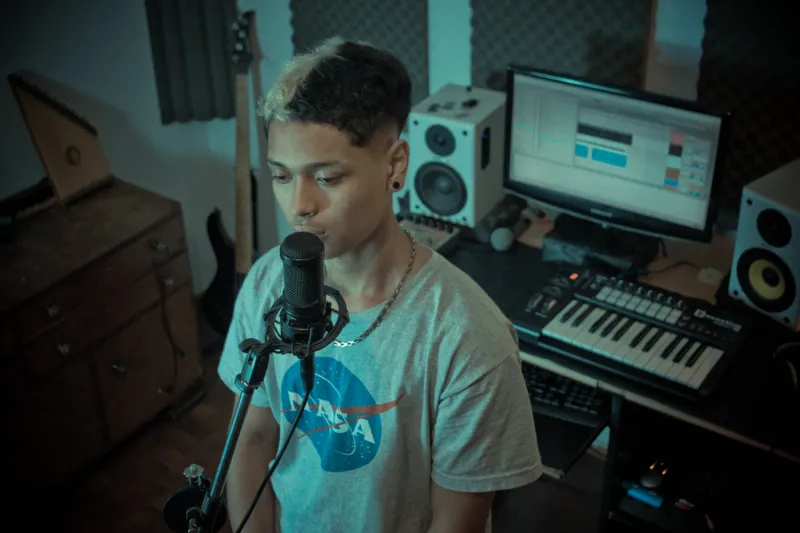
There's a studio off Wedgewood Avenue where, on any given Tuesday afternoon, you might find a Norwegian producer layering hardanger fiddle samples over a trap-influenced drum pattern while a songwriter from Nairobi rewrites a bridge in Swahili-inflected English. The session engineer — a guy who grew up in Gallatin and learned his craft cutting demos on Music Row — is nodding along like none of this is unusual. For him, it isn't anymore.
This is Nashville in 2024. And honestly? It's about time.
The Export That Came Back With Luggage
For decades, Music City functioned like a one-way valve. The sound went out — through radio towers, record deals, touring circuits, and eventually streaming algorithms — and the world absorbed it. Country's storytelling architecture. The precision of Nashville's session culture. The emotional directness that made a three-minute song feel like a gut punch. Artists from São Paulo to Seoul studied it, borrowed it, built on it.
But something shifted quietly over the past several years. The students became collaborators. And then the collaborators started showing up in person.
International producers who grew up reverse-engineering Nashville's production techniques started booking studio time here — not just to absorb the vibe, but to inject something into it. Songwriters who'd spent years adapting Music City's narrative frameworks to their own languages and cultural contexts arrived with fully formed ideas that didn't fit neatly into any existing Nashville genre. They weren't coming to learn. They were coming to trade.
"There's a humility to it that surprised me," says one East Nashville-based producer who's worked with artists from over a dozen countries in the past two years alone. "They're not showing up like tourists. They're showing up like peers who've been doing their homework in a different library."
The Circular Current
What's happening in Nashville right now has a name in musicology: reciprocal cultural exchange. But that term makes it sound cleaner and more intentional than it actually is. In practice, it's messy, electric, and frequently accidental.
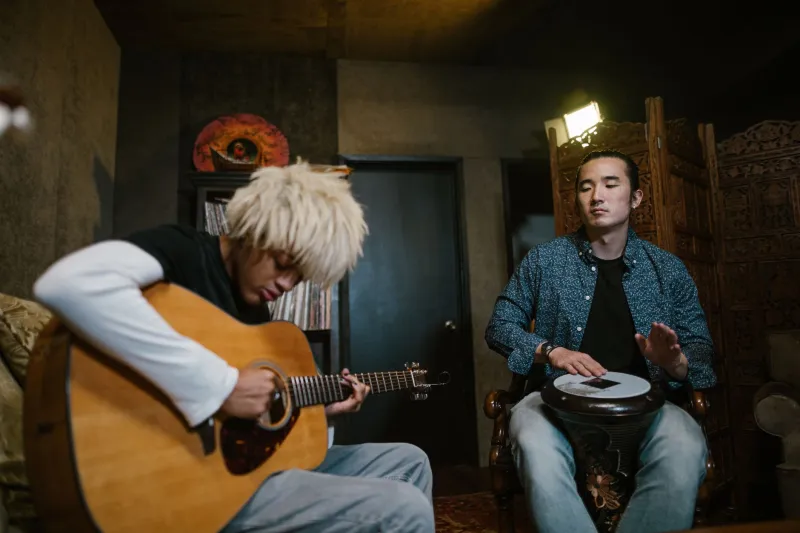
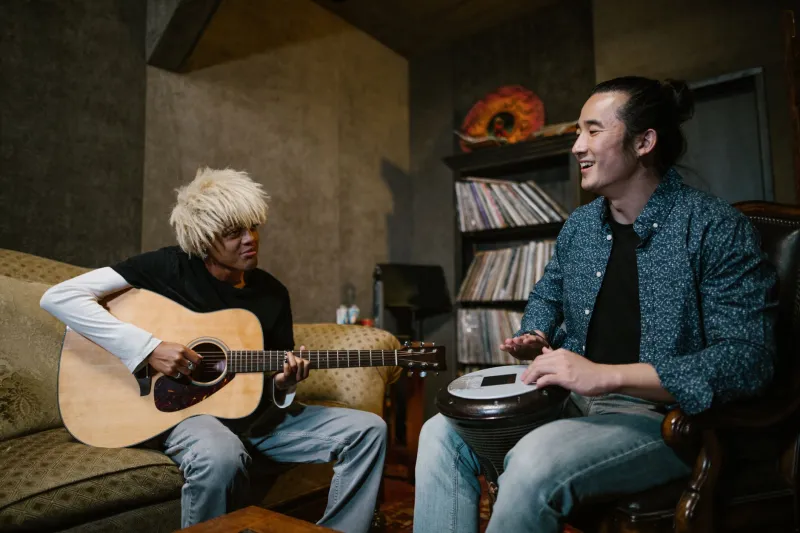
A Ghanaian highlife musician connects with a bluegrass producer through a mutual contact at a Belcourt Theatre showcase. A K-pop songwriter, in town for a writing camp, ends up co-writing something with a classic country traditionalist that neither of them can quite categorize. A Brazilian musician steeped in baião rhythms walks into a honky-tonk on Broadway, hears the steel guitar, and immediately starts hearing new connections to the viola caipira back home.
These aren't isolated anecdotes. They're describing a pattern — a feedback loop that's accelerating.
Nashville's infrastructure was built for exactly this kind of creative density. The city has more songwriters per square mile than almost anywhere on earth. Its studio network is deep, its session musician pool is world-class, and its music industry ecosystem — publishing houses, labels, management firms, performance rights organizations — creates a gravitational pull that's hard to replicate elsewhere. When international artists arrive carrying their own sonic traditions, they're not dropping into a vacuum. They're landing in a fully loaded creative environment that's uniquely capable of amplifying what they bring.
What Gets Made in the Middle
The music emerging from this exchange defies easy description, which is either a problem or the whole point depending on who you ask.
Some of it sounds like Nashville with an accent — familiar song structures and production aesthetics inflected with modal scales, polyrhythmic percussion, or vocal ornamentations that don't come from any American tradition. Some of it sounds like something else entirely, music that uses Nashville as a launching pad rather than a template.
What's consistent across most of it is a kind of emotional fluency. Nashville's greatest contribution to global music was never really a sound — it was a philosophy. The idea that a song should make you feel something specific, that production exists to serve the story, that the space between notes matters as much as the notes themselves. International artists who absorbed that philosophy and then filtered it through entirely different cultural and musical traditions are bringing back versions of it that are, in some ways, more Nashville than Nashville.
"They understood what we were doing at a structural level and then applied it to completely different emotional vocabularies," says a veteran Music Row publisher who's been signing international co-writes at a rate she describes as unprecedented. "When it comes back to us, it's like hearing your own language spoken with a clarity you'd stopped noticing."
The Tension Is Real, and That's Okay
None of this is without friction. Nashville has a complicated relationship with change, especially when that change touches the music. There are traditionalists who worry that the city's core identity — rooted in Appalachian folk, gospel, blues, and the specific emotional world of American country — is being diluted by an influx of influences that don't share that lineage.
It's a tension worth taking seriously rather than dismissing. The sounds and stories that built Music City weren't random. They came from specific communities, specific struggles, specific landscapes. The question of how to honor that inheritance while remaining genuinely open to transformation isn't one that gets resolved by enthusiasm alone.
But there's another way to read the current moment. Nashville's foundational sounds were themselves the product of collision — African rhythms meeting European folk forms, gospel meeting blues, the rural meeting the urban. The city's musical identity was never static. It was always the sound of different worlds finding common ground and making something neither could have made alone.
What's happening now might not be a departure from that tradition so much as its latest chapter.
A City Learning to Listen Both Ways
Walk through the Wedgewood-Houston arts district on a weekend night and you'll hear it — music spilling out of venues and studios that doesn't sound like anything that had a name ten years ago. It's not world music in the old, slightly condescending sense of that term. It's not Nashville country with exotic garnish. It's something genuinely new that couldn't have been made anywhere else, by anyone who hadn't been shaped by this specific exchange.
Pangaea Nashville — the idea that all the world's creative continents were once connected and might find their way back to each other — isn't just a metaphor. In the studios and stages of this city right now, it's becoming something closer to a working model.
Nashville sent its sound out into the world and the world didn't just receive it. It answered. And Music City, for all its complicated feelings about change, is leaning in to hear what the answer sounds like.
Turns out, it sounds pretty incredible.