No More One-Size-Fits-All: Inside Nashville's Beautiful Post-Genre Chaos
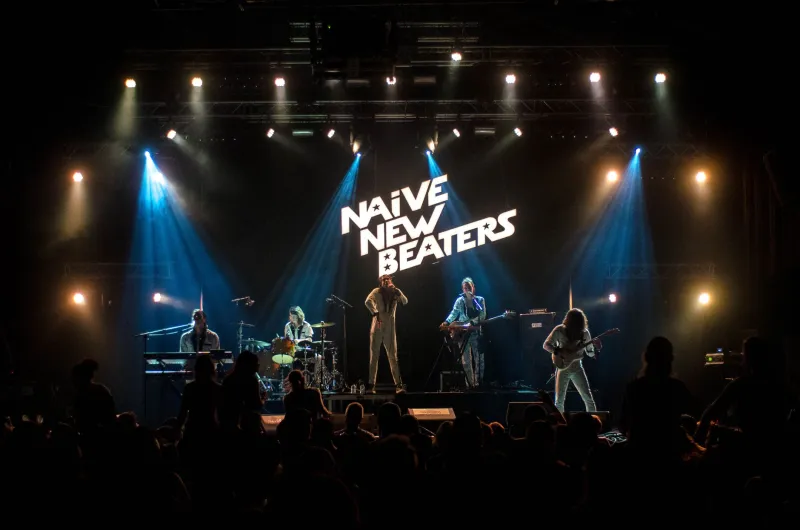
There was a time — not that long ago, really — when you could describe Nashville's music scene in a single sentence. Country capital. Home of the twang. The city where three chords and the truth were basically city ordinance. That sentence still gets typed in travel guides and Wikipedia intros, but ask anyone who's actually playing music here right now, and they'll tell you it stopped being true somewhere around the time GoldLink played a sold-out show on the same block as a bluegrass jam session.
Nashville didn't abandon its identity. It multiplied it.
The Old Story Doesn't Fit Anymore
For most of the 20th century, Nashville's music industry ran on a kind of monoculture logic. The machinery — the publishers, the studios, the radio programmers, the label A&R reps — all pointed in one direction. Country. Even when artists pushed at the edges, the infrastructure quietly nudged them back toward the center. Dolly went pop and got called a sellout. Charley Pride had to fight to be seen as country at all. The city had a sound, and that sound had gatekeepers.
Fast forward to right now, and those gates are basically just decorative.
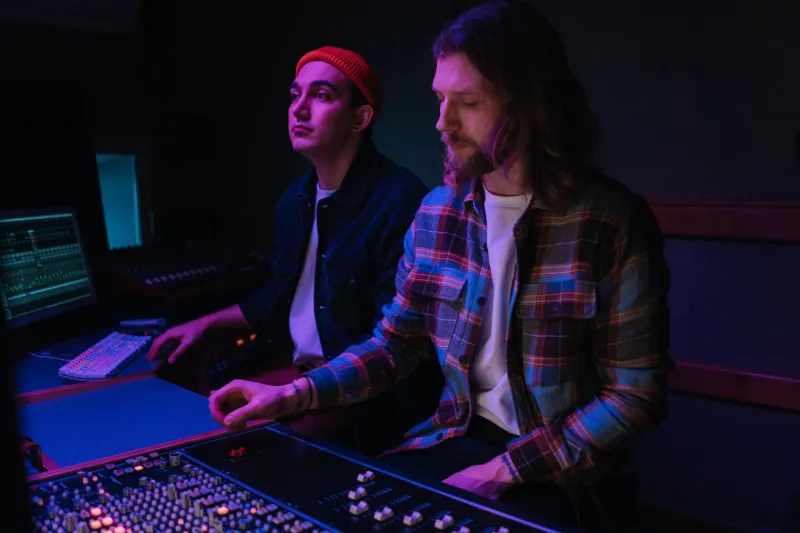
"I came here because of country music," admits Marcus Webb, a producer who moved from Detroit five years ago and now runs a hybrid studio in East Nashville that handles everything from trap beats to Americana. "But I stayed because of everything else. I've got a session tomorrow with a singer-songwriter from Knoxville and a beatmaker who grew up on Lil Wayne. We're making something together that doesn't have a genre yet, and nobody's stressed about that."
That last part — nobody's stressed about that — might be the most Nashville thing anyone's said in years.
How the Ecosystem Actually Works Now
What's happening in Music City isn't just genre-blending for its own sake. It's not artists throwing sonic ingredients at a wall and calling the splatter art. There's a genuine infrastructure — informal but real — that lets wildly different musical communities share space, swap ideas, and occasionally make something neither community could have made alone.
Venues like The 5 Spot in East Nashville and Drkmttr Collective have long operated as genre-agnostic spaces, booking punk one night and R&B the next without anyone batting an eye. That cross-pollination seeps into the audience, too. People who showed up for a country showcase stumble into an experimental electronic set and find they don't actually hate it.
"Our crowd doesn't come with a genre preference," says one East Nashville club booker who's been at it for over a decade. "They come because they trust us to put something interesting on the stage. That's a different relationship than a format radio station has with its listeners."
Streaming killed the format radio stranglehold, and Nashville — maybe more than any other music city — has benefited from that collapse. When you don't need a radio programmer to greenlight your sound, you don't need to fit inside a box somebody else drew.
The Artists Building the New Map
Talk to enough Nashville musicians right now and a pattern emerges. The ones doing the most interesting work aren't chasing a lane — they're drawing new roads.
Singer-songwriter and multi-instrumentalist Adia Victoria has spent years making blues-inflected Southern gothic music that confounds genre categorization and doesn't apologize for it. Rap artist Starlito has been making thoughtful, literary hip-hop in Nashville for years while the city's country machine hummed along around him, largely indifferent. Now, those parallel worlds are starting to touch.
Collaborations that would have seemed bizarre ten years ago are becoming unremarkable. A country guitarist sits in on a hip-hop recording session. An indie band brings in a pedal steel player they met at a songwriter round in the Gulch. A Latin pop producer sets up shop in a building that used to house a bluegrass label.
"The city's musical DNA is everywhere here," says one East Nashville-based musician who splits her time between folk and electronic production. "You can't not absorb it. But it comes out different in everybody. That's kind of the point now."
Why This Is Actually More Nashville Than the Old Nashville
Here's the part that tends to surprise people who've bought into the rhinestone mythology: Nashville's supposed golden era of sonic purity was never that pure. The "Nashville Sound" that Owen Bradley and Chet Atkins codified in the late '50s was itself a commercial strategy — a deliberate smoothing-out of country's rough edges to compete with pop radio. The twang was always negotiated. The authenticity was always constructed.
What's happening now, with its genre chaos and cross-cultural collisions, might actually be closer to what this city has always been underneath the marketing. A working-class music town where people with different backgrounds came to make a living doing the thing they loved, and occasionally made something great by accident.
"People romanticize the old Nashville like it was some pure thing," says Webb. "But it was always hustlers and dreamers figuring it out together. That's still what this is. It just sounds different now."
What Comes Next
Nobody's pretending Nashville's transformation is without tension. The country music establishment still exists, still has enormous economic power, and still shapes a lot of what the world thinks this city is. There are real arguments about whether the genre explosion is genuine cultural evolution or just a byproduct of real estate prices pushing artists into neighborhoods that weren't historically part of the music industry geography.
But spend a week going to shows here — really going, not just hitting Broadway — and the argument starts to feel less urgent than the music itself. There's a rapper in a room next to a fiddle player next to a DJ who learned his craft in Seoul, and they're all working on something together, and nobody's asking what genre it is.
Maybe that question was always the wrong one for Nashville to be asking anyway.
The city didn't stop having a sound. It just finally got honest about having many.