From Spare Bedroom to Streaming: Meet the Nashville Producers Rewriting the Rules from the Ground Up
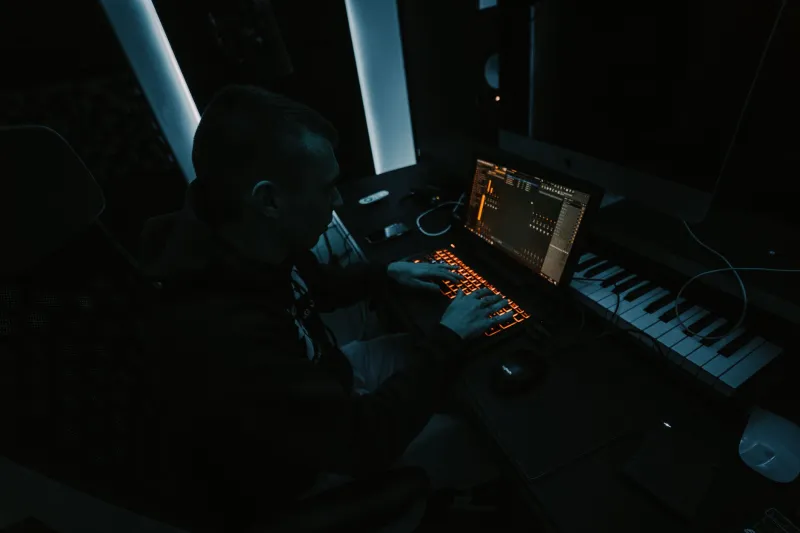
There's a studio on a quiet street in East Nashville that you'd never find unless someone told you where to look. No sign out front. No receptionist. Just a converted spare bedroom packed floor-to-ceiling with acoustic foam, a pair of studio monitors, and a rig that, a decade ago, would've cost more than a house. Today, it cost its owner — a 26-year-old producer who goes by Callo — somewhere around four thousand dollars.
From that room, Callo has produced tracks that have racked up millions of streams. He's never set foot inside a Music Row studio. He's never had a label meeting. And honestly? He's not sure he wants one.
"The gatekeepers used to hold all the keys," he says, spinning his chair toward the window. "Now I'm the gatekeeper. I just also happen to be the artist, the engineer, the A&R guy, and the distributor. It's a lot, but it's mine."
The Democratization Nobody Saw Coming
For most of Nashville's modern history, making a record meant money — serious money. Booking time at a reputable studio on Music Row could run anywhere from $200 to $1,000 an hour. Add session musicians, mixing, mastering, and manufacturing, and you were looking at tens of thousands of dollars before a single song hit a radio station. That financial barrier wasn't incidental. It was structural. It kept the industry's power concentrated in the hands of a relatively small group of labels, producers, and executives.
Then came the laptop revolution.
Digital audio workstations like Logic Pro and Ableton Live dropped in price even as they exploded in capability. Audio interfaces got cheaper and better. Plugins replaced hardware that once cost fortunes. YouTube tutorials replaced formal education for a whole generation of self-taught engineers. And suddenly, the barrier to making a professional-sounding record wasn't a record deal — it was a few thousand dollars and a willingness to learn.
Nashville noticed. The city that built its identity around the studio system is now watching that system get quietly, persistently disrupted from within its own zip codes.
A Scene Built in Living Rooms
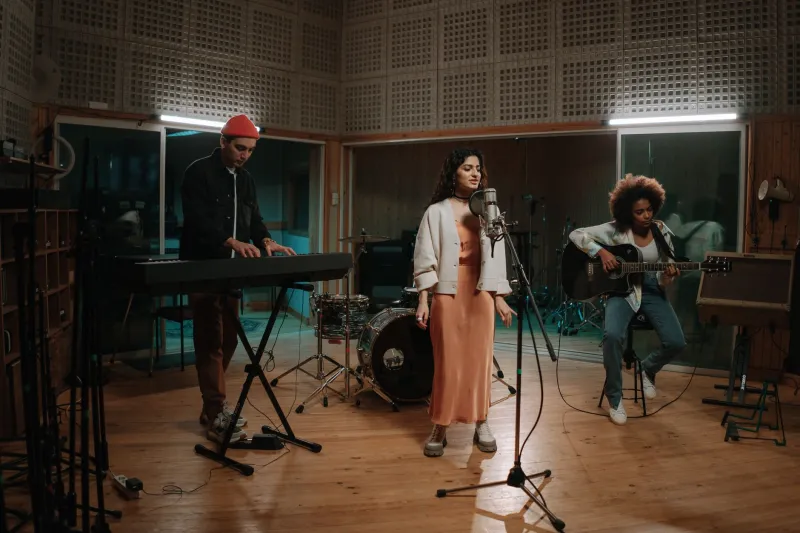
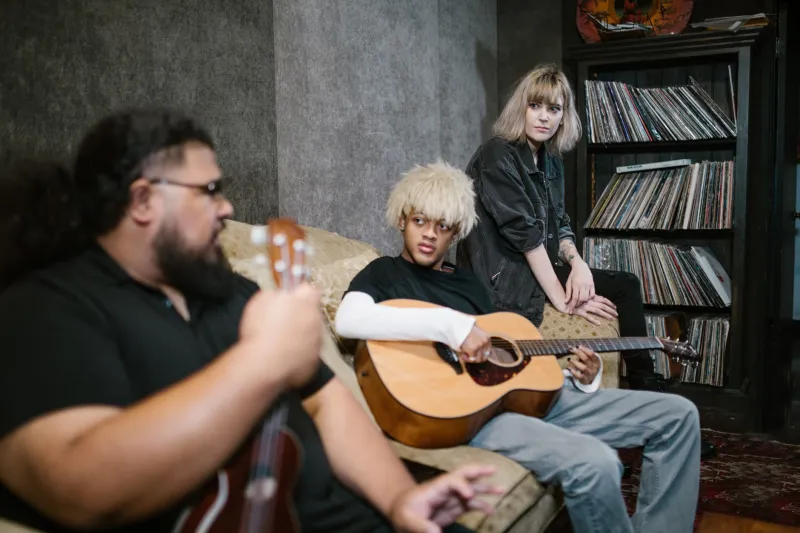
The DIY studio movement here isn't monolithic. It spans genres, neighborhoods, and approaches. In Germantown, a duo called Hollow Pine have been recording indie-folk albums in their apartment since 2019, self-releasing on Bandcamp and building a loyal following through TikTok and Instagram Reels. In Madison, a producer named Tierra Wells runs a micro-studio she calls The Nest from her garage, specializing in working with emerging R&B and soul artists who can't afford traditional studio rates.
"I charge on a sliding scale," Wells explains. "Some artists come in with almost nothing. If the music is good and the work ethic is there, we figure it out. A big studio can't do that. They've got overhead to cover."
That flexibility is one of the DIY scene's greatest strengths. Traditional studios operate on time — every minute costs money, which creates pressure that isn't always conducive to creativity. In a home or micro-studio environment, artists can take their time, experiment freely, and return to a track days or weeks later without financial consequence.
For many of the artists moving through these spaces, that freedom is everything.
The Sound That's Coming Out
What's maybe most interesting about Nashville's bedroom-producer movement is what it's doing to the city's sound. Music Row has long operated within relatively defined genre lanes — country, Christian, Americana, with some pop crossover. The DIY scene doesn't recognize those lanes.
Callo's productions blend trap rhythms with pedal steel samples. Hollow Pine layers fiddle over electronic textures. Tierra Wells' sessions produce a strain of Southern soul that owes as much to Muscle Shoals as it does to contemporary R&B. None of it fits neatly into a category, and none of it needs to.
"Nashville always had this incredible sonic vocabulary — the musicians here, the session players, the songwriting tradition," says independent music journalist Dana Fehr, who's been covering the local scene for years. "What's happening now is that a new generation is sampling from that vocabulary and mixing it with everything else they grew up listening to. The result is genuinely new. It doesn't sound like anything else."
Distribution platforms like DistroKid, TuneCore, and CD Baby have made it possible for these artists to put their music on Spotify, Apple Music, and every other major platform without signing anything over to anyone. Some are building audiences in the tens of thousands. A few have broken through to genuine mainstream visibility — without ever officially being signed.
The Tensions Are Real
It would be dishonest to paint this as a story without friction. The traditional industry isn't disappearing, and its resources still matter. Artists who've built real followings independently sometimes find themselves at a crossroads when label interest comes calling — and it does come calling, more often than you might expect.
The question of what to do when a major label wants a piece of something you built yourself is complicated. Some artists take the deal and the reach that comes with it. Others have watched friends sign contracts that gave away more than they bargained for and decided the independence is worth the slower climb.
"I've had conversations," Callo says carefully. "I'm not opposed to partnership. But partnership is different from ownership. I know what I've built. I know what it's worth."
There's also the question of community infrastructure. The DIY scene runs largely on mutual support — producers sharing equipment, artists trading studio time, everyone promoting each other's releases. It's a generous ecosystem, but it's also fragile. When the scene's most successful members get absorbed into the traditional industry, they sometimes take their energy with them.
Why This Matters for Music City
Nashville's identity has always been tied to its music industry — the labels, the publishers, the studios, the session players. That infrastructure isn't going anywhere. But the city is in the middle of a genuine renegotiation of who gets to participate in that identity, and the bedroom producers are a big part of that conversation.
For a city that markets itself to the world as Music City, the DIY movement raises a meaningful question: what does it mean to be a Nashville artist in 2024? Is it about where you record, who you're signed to, or what you're actually making?
If the people building studios in their spare bedrooms have anything to say about it, the answer is increasingly the latter.
And honestly, that sounds about right to us.