Rhinestones and Rebellion: The Queer Artists Giving Nashville's Country Soul Its Edge Back
Country music has always been about the outsider. The drifter, the dreamer, the person who doesn't quite fit the world they were handed. Somewhere along the way, that rebellious DNA got smoothed over — traded for tailgate anthems and radio-friendly production. But in Nashville's queer music underground, something different is happening. Artists are digging back down to those roots, pulling up the outlaw spirit, and making it their own.
If you know where to look, you can find it on any given weekend.
The Venues You Might Not Know About
You won't see it advertised on Broadway. The honky-tonks that line Lower Broadway are a great time, but they're not where this particular story lives. Nashville's queer country scene tends to operate in smaller, less obvious spaces — and that's part of what gives it its character.
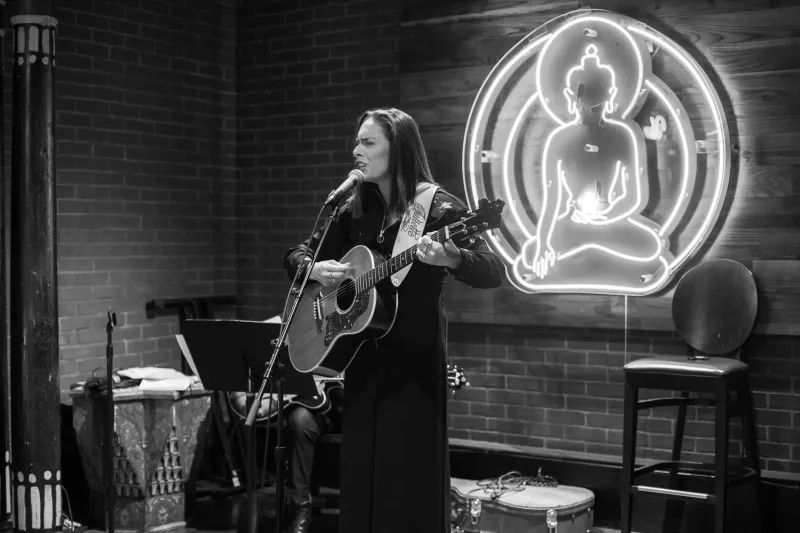
The Lipstick Lounge in Inglewood has been a cornerstone of Nashville's LGBTQ+ nightlife for years, and its music programming has increasingly featured artists who blur the lines between country, Americana, and queer identity. Nights there feel genuinely communal — like a living room where everyone happens to be extraordinarily talented and nobody's performing for a label rep.
Similarly, venues like CANVAS and rotating pop-up showcases in East Nashville have become landing spots for artists who find the traditional Music Row ecosystem either closed to them or simply uninteresting. These spaces prioritize authenticity over polish, and the music that comes out of them reflects that.
"There's something that happens in a small room," says singer-songwriter Maren Voss, who performs a style she describes as "queer Appalachian soul." "You can't hide. The song either lands or it doesn't. And when it lands, it really lands. I've had people come up to me after shows in tears because they'd never heard their own experience in a country song before."
Recovering a Hidden History
One of the more fascinating threads running through Nashville's queer country scene is its relationship to music history — specifically, the parts of that history that tend to get left out of the official narrative.
Kd lang. Lavender Country's Patrick Haggerty, who released what's widely considered the first explicitly gay country album back in 1973 and spent decades in relative obscurity before being rediscovered. The complicated, often coded queerness that ran through classic country and was rarely named directly. Queer artists in Nashville today are increasingly aware of these histories and are actively working to surface them.
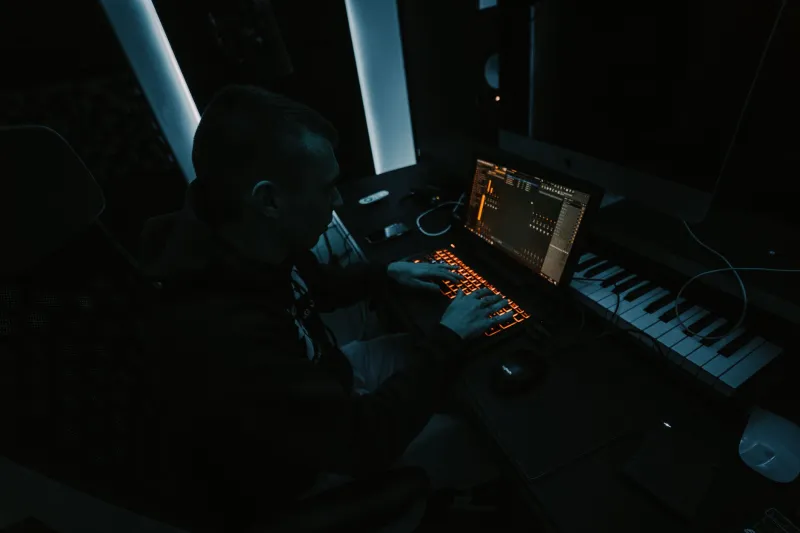
"People act like queer country is new," says producer and multi-instrumentalist Jamie Delacroix, who moved to Nashville from New Orleans five years ago and has become a central figure in the underground scene. "It's not new. It was just buried. We're not inventing something — we're excavating it."
That excavation is showing up in the music itself. Artists are revisiting classic country structures — the three-chord progression, the story-song format, the plainspoken emotional directness — and filling them with experiences and perspectives that traditional Nashville long kept off its stages. The result sounds familiar and radical at the same time.
The Artists to Know
The scene is full of voices worth your time. A few names that keep coming up in conversations around Nashville's queer music community:
Sunny Hollow is a non-binary singer-songwriter from rural Kentucky who relocated to Nashville two years ago and has been building a following through a combination of intimate house shows and a genuinely compelling social media presence. Their songs sit at the intersection of classic country storytelling and deeply personal queer experience, and they deliver them with a voice that sounds like it's been doing this for forty years.
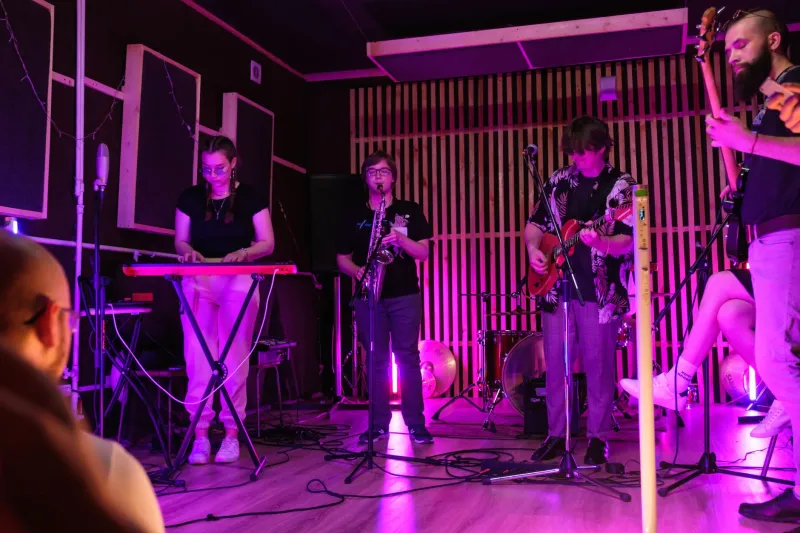
The Wren Collective is less a band and more a rotating group of queer musicians who record and perform together under a shared name. Their sound leans more toward Americana and folk-country, but their performances are theatrical and community-oriented — less concert, more happening.
Cisco Ray is a trans man from East Nashville who writes songs that could sit comfortably on a classic outlaw country playlist, except that they're explicitly about his own experience navigating masculinity, transition, and belonging in the South. His live shows are among the most talked-about in underground Nashville right now.
Country's Outlaw Spirit Was Always Theirs
It's worth pausing on the historical irony here. Country music's most celebrated era — the outlaw movement of the 1970s, the Waylon Jennings and Willie Nelson years — was fundamentally about rejecting Nashville's establishment. It was about artists insisting on creative control, refusing to be shaped by industry expectations, and making music that reflected their actual lives rather than a marketable image.
Queer country artists in 2024 are doing exactly that. The establishment they're pushing against has different contours, but the impulse is identical: make the music you need to make, find the audience that needs to hear it, and don't wait for permission.
"Country has always been about truth-telling," Maren Voss says. "That's the whole tradition. You write what's real. You don't dress it up. The only difference is that now, more people are being honest about what's actually real for them."
What This Means for Nashville's Identity
Nashville is in a complicated moment. The city's growth has brought enormous economic energy but also real tension around questions of identity — who Nashville is for, whose stories get told, what the city's famous musical heritage actually represents.
The queer country underground is one of the more interesting responses to that tension. Rather than rejecting Nashville's musical traditions, it's claiming them. It's arguing, through the music itself, that country's DNA is broad enough — and its rebellious roots deep enough — to hold a much wider range of human experience than the mainstream has typically allowed.
That argument is landing. Slowly, but it's landing. Queer country showcases are selling out. Artists who started playing to fifteen people in someone's living room are now drawing real crowds. The national music press is paying attention.
And somewhere in a small venue in Inglewood, a singer is finishing a set, and the room is completely silent for just a second before it erupts — that specific silence that means something true just happened.
That's Nashville, too. Maybe always was.