After Hours, Before Dawn: Inside Nashville's All-Night Studio Culture
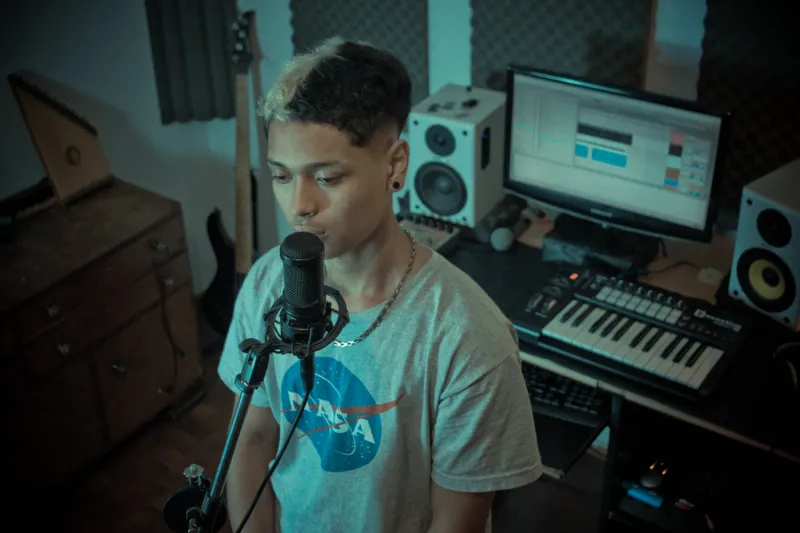
It's 2 a.m. on a Tuesday in East Nashville. The coffee's gone cold, there are pizza boxes stacked near the door, and a guitarist named Deja is laying down her fourth take of a slide part that's been bothering her since Sunday. The engineer behind the glass has been awake since noon yesterday. Nobody's complaining. In fact, nobody really wants to leave.
This is the other Nashville — the one that runs parallel to the boot-scootin' tourism machine, the one that doesn't care about bar close or business hours. The city's nocturnal recording culture has always existed in some form, but lately it feels less like a quirk and more like a full-blown movement. The midnight shift is having a moment.
Why the Night Hits Different
Ask anyone who's done serious studio work and they'll give you some version of the same answer: nighttime just sounds different. There's a psychological looseness that comes with the late hours — fewer emails, fewer expectations, fewer industry types stopping by to check on their investment. The gatekeepers go home, and what's left is just the music and the people making it.
Producer Marcus Elledge, who runs a modest studio off Dickerson Pike, puts it plainly. "During the day you're performing," he says. "At night you're actually working. There's nobody watching, so the weird ideas don't feel as weird."
That psychological shift turns out to matter enormously. Some of the most creatively adventurous work coming out of Nashville right now — the genre-blurring stuff, the experimental arrangements, the songs that don't fit neatly into any Spotify playlist — is being born in sessions that start well after midnight and wrap up somewhere around sunrise.
The Economics of Going Dark
Creative freedom isn't the only thing driving artists into the night. Studio time is expensive, and the math works out pretty simply: off-peak hours mean lower rates. For independent artists operating without label budgets, booking the 11 p.m. to 7 a.m. window can mean the difference between affording a full session or not.
Some studios have quietly built entire pricing tiers around this reality. Overnight blocks — often running six to eight hours — are priced to attract the artists who can't compete with major label day rates but still want access to quality rooms and gear. It's created a kind of parallel market within Nashville's recording economy, one where the barrier to entry drops significantly once the sun goes down.
"We started offering overnight rates almost by accident," admits one studio manager near Berry Hill who asked not to be named. "An artist asked if they could just stay after their session ended at midnight and keep going. We said sure and charged them something reasonable. Word got around fast."
That word traveled to a specific corner of Nashville's music community — the independent artists, the session players picking up side projects, the producers building their reputations one late-night experiment at a time.
The Time Zone Factor
There's another force pulling Nashville's creative work deeper into the night, and it's got nothing to do with coffee or cheap rates. It's geography — specifically, the geography of global collaboration.
Nashville producers increasingly find themselves working with artists and co-writers based in London, Lagos, Seoul, and São Paulo. When your collaborator is six to nine hours ahead of you, the creative conversation naturally migrates toward the edges of the American clock. A video call with a producer in Stockholm at 9 a.m. their time means you're picking up the phone at 3 a.m. Central. A file share with a vocalist in Tokyo lands in your inbox right around when most of Nashville is sitting down to dinner.
Rather than fight those hours, a growing number of Nashville creatives are leaning into them. They're building their schedules around international time zones, treating the overlap hours as prime creative real estate. The result is a kind of accidental globalism embedded in the city's studio culture — and it's quietly reshaping the sound coming out of those sessions.
Engineers: The Unsung Night Owls
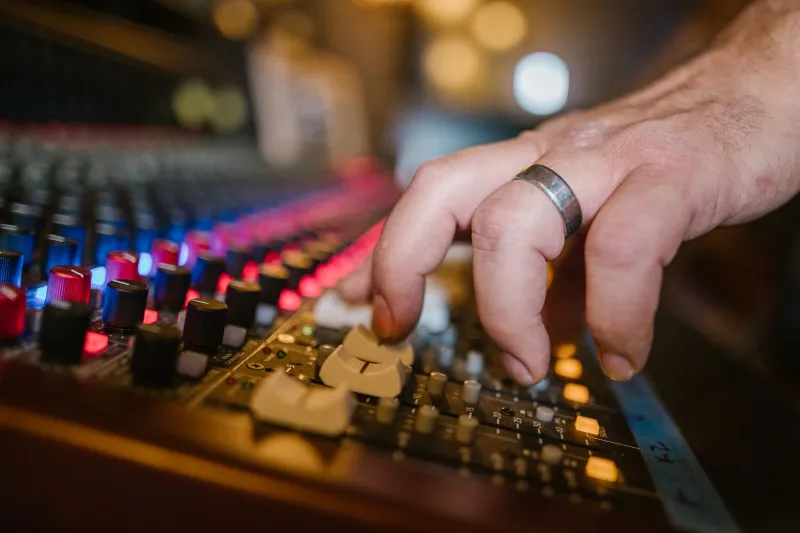
If the artists are the ones getting romanticized for their midnight muse, the recording engineers are the ones actually keeping the whole thing running. And in Nashville's overnight scene, their role has evolved in interesting ways.
Daytime sessions tend to be more structured — there's a schedule, a producer calling shots, a clear sense of what needs to get done. Overnight sessions are more fluid, more collaborative, and more likely to veer off in unexpected directions. That means engineers have to be nimble, ready to pivot when the artist decides at 4 a.m. that the whole bridge needs to be scrapped and rebuilt.
"You have to check your ego at the door even more than usual," says one engineer who works almost exclusively overnight shifts. "But honestly, the work is more interesting. You're not just executing someone else's vision. You're kind of in the room where it's being invented."
That creative proximity has turned some of Nashville's best overnight engineers into genuine collaborators — people whose names might not appear on the liner notes but whose instincts are all over the final product.
The Vibe Is the Point
There's something almost ritualistic about how Nashville's overnight studio community talks about their hours. The darkness isn't just a practical condition — it's treated like an ingredient. The absence of daylight pressure, the quiet streets outside, the city stripped of its performance mode: all of it gets folded into the work.
Some artists have started deliberately building that atmosphere into their creative process, treating the late-night session less like a scheduling workaround and more like an intentional choice about the kind of music they want to make. Slower tempos. More space in the arrangements. Lyrics that feel like they were written for 3 a.m. — because they were.
It's a small but telling shift in how Music City thinks about the relationship between environment and output. Nashville has always been serious about craft. What's changing is the understanding that craft doesn't keep business hours.
A City That Never Fully Sleeps
Nashville's identity has long been tied to its daytime hustle — the publishing houses on Music Row, the showcases on Lower Broad, the industry lunches where deals get made over sweet tea. That world isn't going anywhere.
But alongside it, quieter and less visible, a whole other creative ecosystem is running on a different clock. It's the version of this city that makes its most honest music when the tourists are asleep and the industry has logged off for the night. The version that's willing to stay until dawn to get the take right.
If you want to know where Nashville's sound is heading next, you might have to stay up a little later to find out.