Stay Home, Go Global: How Nashville Artists Are Building Worldwide Careers Without Buying a Single Plane Ticket
There's a running joke among Nashville lifers that the city has two kinds of artists: the ones who left to find the world, and the ones who figured out the world was already coming to them. Increasingly, that second group is winning.
Forget the old blueprint — grind the local circuit, land a label deal, get shipped to LA or New York, maybe tour Europe if someone else foots the bill. That model isn't dead, exactly, but it's got serious competition from something leaner, smarter, and frankly more exciting. A crop of Nashville-based musicians, producers, and songwriters are quietly building careers that stretch from Seoul to São Paulo without ever surrendering their 615 area codes. And they're doing it with a toolkit that's equal parts hushy strategy and pure hustle.
So what's actually in that toolkit? We dug in.
The Time Zone Flip: Remote Collaboration as a Creative Superpower
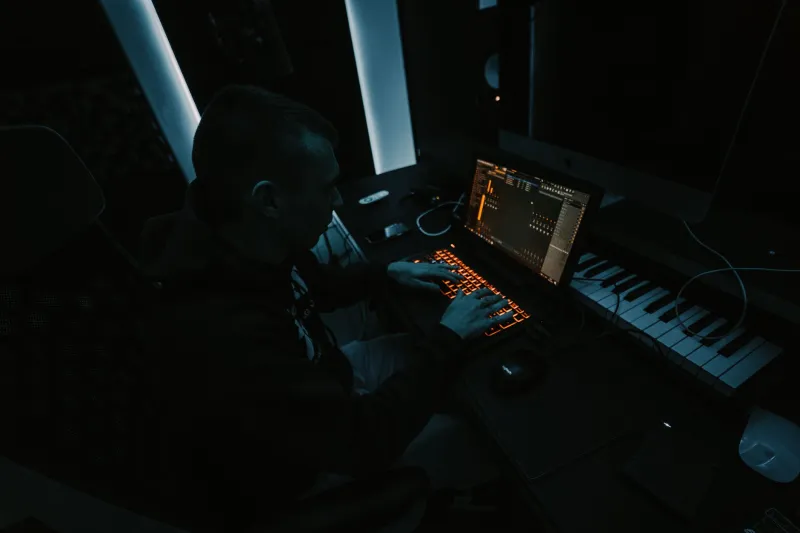
Ask producer and multi-instrumentalist Dara Osei — who splits her creative time between a home studio in East Nashville and a rotating roster of international collaborators — what changed her career trajectory, and she doesn't hesitate. "I stopped thinking of time zones as a problem and started treating them like a production schedule," she says. "I go to bed, and by the time I wake up, a producer in Lagos or a vocalist in Stockholm has already built something on top of what I sent. The song basically works while I sleep."
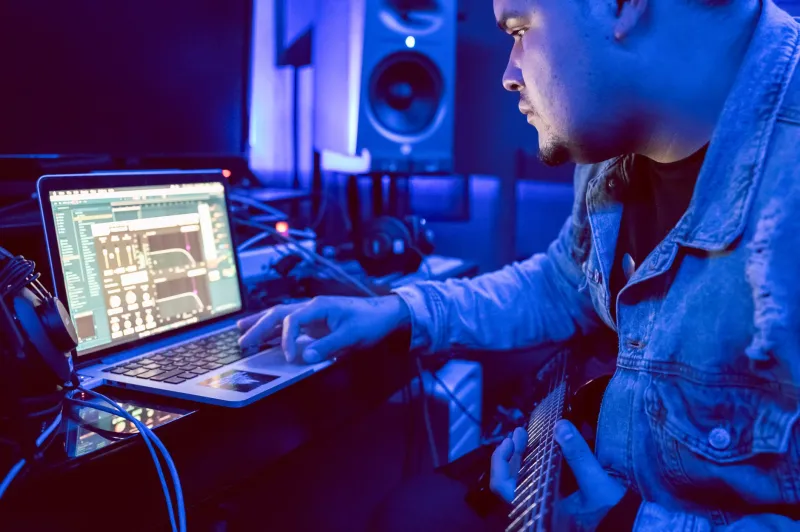
This asynchronous approach to co-writing and production has become one of the most powerful tools in the modern Nashville artist's arsenal. Platforms like Splice, Soundtrap, and even simple shared Dropbox folders have turned geographic distance into a non-issue. You lay down a chord progression or a rough vocal melody, drop it in a shared session, and let a collaborator on the other side of the planet take it somewhere you never would have alone.
The creative upside is obvious. But the career upside is just as real — every international collaborator is also a gateway into their local market, their fanbase, their industry contacts. Co-writing with an artist who has 200,000 followers in Brazil isn't just a creative exercise. It's a market entry strategy.
Sync Licensing: Nashville's Quietly Global Revenue Stream
If remote collaboration is the creative engine, sync licensing is quickly becoming the financial backbone for Nashville artists with international ambitions. Sync — placing your music in film, TV, advertising, and video games — has always been a solid income stream. But the global appetite for it has exploded in ways that disproportionately benefit artists who know how to play the game.
Streaming platforms commissioning original content in South Korea, telenovelas out of Mexico City, European ad campaigns for global brands — all of them need music, and a surprising amount of that music is being sourced from Nashville writers and producers who've learned to pitch beyond the obvious American markets.
"I've got placements in three different countries right now, none of them through a traditional publisher," says songwriter and producer Marcus Tillman, who works out of a studio in Germantown. "I spent about six months just researching international sync agencies, music supervisors outside the US, and regional streaming platforms that commission original content. Cold emails, LinkedIn messages, social media DMs. Old-fashioned legwork, just done digitally."
The key, Tillman says, is understanding that different markets have wildly different sonic needs. "What works for a Brazilian streaming platform is not what works for a German automotive ad. You have to actually listen to what those markets are consuming and be willing to serve that, not just push what you already make."
Building the Right Digital Presence for a Global Room
Here's where a lot of Nashville artists leave opportunity on the table: their digital presence is built entirely for a domestic audience. The language, the references, the visual aesthetic — all of it signals "American artist looking for American fans." That's fine if that's your goal. But if you want to build internationally, your digital identity needs to speak to a wider room.
This doesn't mean abandoning what makes you distinctly Nashville — that Southern grain, that storytelling instinct, that particular kind of emotional directness — those qualities actually travel incredibly well. It means being intentional about how you frame them.
Artists who are succeeding globally from Nashville tend to share a few digital habits. They use Instagram and TikTok to actively engage with international fan communities, not just post content and wait. They tag international collaborators, reference global influences, and make it visible that their creative world extends beyond Tennessee. They're also strategic about Spotify for Artists and DistroKid's international distribution settings, making sure their music is actually available and discoverable in the markets they're targeting.
"I started doing Instagram Lives at weird hours — like 7 AM Nashville time — because that's prime time in Europe," says singer-songwriter Amara Delacroix, whose fanbase is now roughly 40 percent international despite the fact that she's never toured outside the US. "It felt strange at first, but those early morning sessions built me a real audience in the UK and the Netherlands that I never would have found otherwise."
The Conference Circuit: Nashville's Overlooked Global Networking Machine
Here's something that doesn't get nearly enough credit: Nashville's own conference and industry event calendar is one of the most globally connected in the music world. Americanafest, the Americana Music Association's annual gathering, draws international industry professionals from dozens of countries. NAMM's Nashville presence, the various sync and licensing summits, even the more grassroots songwriter showcases — all of them function as international networking opportunities hiding in plain sight.
The artists building global careers from Nashville aren't waiting for a trip to SXSW or Midem to make those connections. They're showing up at local events with an international mindset, asking the right questions, and following up with the right people. A conversation at a writers' round in the Gulch can turn into a licensing deal in Germany if you're paying attention.
The Long Game: Why Staying Put Can Actually Be the Boldest Move
There's still a voice in the Nashville music industry — quieter than it used to be, but present — that says you have to leave to make it big. That real global success requires physical presence in the markets you're trying to crack.
The artists who are disproving that theory aren't naive about its origins. There are real advantages to being on the ground in Tokyo or London or Lagos. But they've also identified something those markets can't offer: Nashville's particular combination of songwriting tradition, studio infrastructure, collaborative culture, and creative community. That's not just a sentimental attachment to home. It's a genuine competitive advantage.
"I've had people fly here to work with me because of what Nashville represents," Dara Osei says. "The city has a reputation that opens doors before I even send a demo. I'd be giving that up if I left."
So maybe the real Nashville passport isn't a document at all. It's a reputation, a skill set, a way of approaching music that the rest of the world has decided it wants more of. The artists who understand that — and who pair it with the right digital strategy, the right collaborative instincts, and the right long-game patience — are finding that Music City is a pretty decent launchpad for just about everywhere.