Passport Stamped in 2-Inch Tape: How Nashville's Studio Engineers Are Becoming the World's Most Valuable Cultural Export
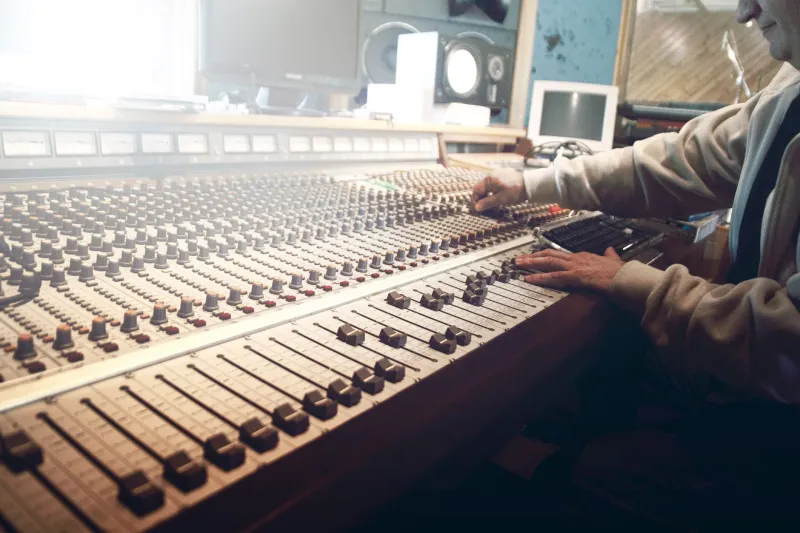
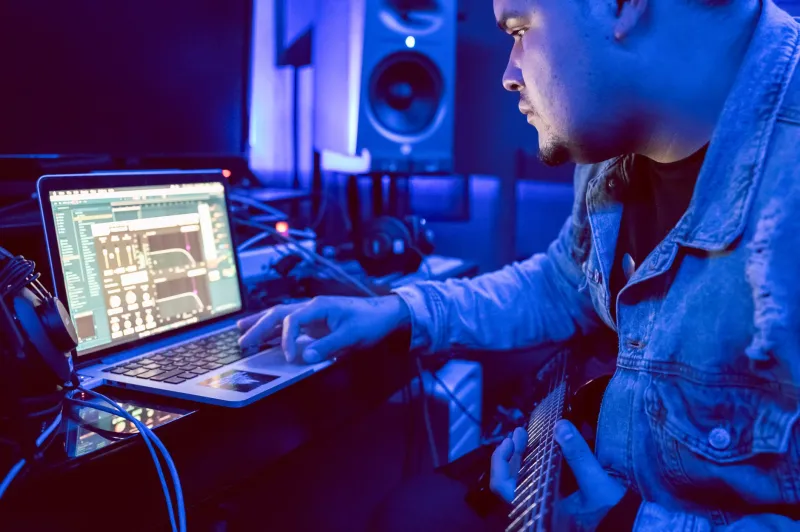
There's a studio going up in Medellín right now with acoustic panels designed by a guy who spent fifteen years tuning rooms on Music Row. In Nairobi, a mastering engineer who cut her teeth on country records is training a new generation of Kenyan producers to trust their ears. In Ho Chi Minh City, a mixing board that once sat in a 16th Avenue tracking room is routing signals for Vietnamese pop records that are racking up millions of streams.
Nashville has spent decades exporting its sound. Turns out it's been quietly exporting the people who make the sound, too — and that might be the more interesting story.
The Skills Nobody's Talking About
When people think about Nashville's cultural footprint, they think guitars, twang, songwriting craft. What gets underestimated — almost every single time — is the technical infrastructure that makes all of that possible. The mix engineers who can make a vocal sit in a track like it was born there. The mastering specialists who understand how a song will translate from a $40,000 studio monitor to a $12 Bluetooth speaker in a Lagos market stall. The room designers who know how to make a converted warehouse actually sound like a place where music wants to live.
Those skills are rare anywhere. In emerging music markets, they're borderline mythological.
Which is exactly why studios in Southeast Asia, sub-Saharan Africa, and Latin America have been quietly reaching out to Nashville's technical community — not to license a sound, but to transplant the knowledge itself.
The Calls Started Coming
For a lot of Nashville engineers, the first inquiry from abroad felt like a fluke. A referral from a producer friend. A LinkedIn message from someone in Accra they'd never met. A recording school in Jakarta asking if they'd come teach a two-week intensive.
But the calls kept coming. And they started getting more serious — longer commitments, real budgets, requests to help design entire facilities from the ground up.
What these emerging music hubs were buying wasn't just technical skill. They were buying a philosophy of recording — the Nashville idea that a great room, great ears, and great instincts matter more than the latest plugin bundle. That analog warmth and digital flexibility aren't enemies. That the best recordings sound like the artist, not like the equipment.
In markets where recording infrastructure has historically been underfunded or nonexistent, that philosophy is genuinely revolutionary.
Building Something That Lasts (Or Doesn't)
Here's where it gets complicated, though. And anybody writing about this stuff honestly has to go here.
There's a version of this story that's purely triumphant: Nashville expertise seeds global recording infrastructure, local artists get world-class tools, everyone wins. And in some cases, that's genuinely what's happening. Engineers who've made long-term commitments — who've learned local languages, built relationships with local producers, invested in training programs that outlast their own presence — are leaving behind something real.
But there's another version. The consulting trip that generates great Instagram content and a healthy invoice but doesn't actually transfer knowledge. The studio built to Nashville specs that becomes a vanity project for a wealthy local investor, inaccessible to the artists who actually need it. The engineer who shows up with a suitcase full of assumptions about what "good" sounds like and never really listens to what the local scene is already doing.
The difference between those two versions usually comes down to one thing: whether the Nashville person came to teach or came to perform expertise.
What the Best Ones Are Actually Doing
The engineers who are building real, lasting impact abroad tend to share a few things in common.
First, they show up curious. They're not arriving in Bogotá or Kuala Lumpur with a predetermined idea of what the music should sound like. They're listening to the local scene first — understanding the sonic traditions, the cultural context, the specific ways that music functions in that community — before they touch a fader.
Second, they're focused on capacity-building over dependency. The goal isn't to become the essential foreign expert that every local studio has to keep flying in. It's to train the local engineers, the local room designers, the local mastering specialists, so that the expertise stays behind when the Nashville person gets back on the plane.
Third — and this one's underrated — they're bringing something back. The best cross-cultural studio work isn't a one-way transfer. It's an exchange. Engineers who've spent real time working in Afrobeats sessions or with Latin urban producers come back to Nashville with expanded ears. They hear rhythm differently. They approach low-end differently. They ask different questions in the mix. That's making Nashville's own recording culture richer, even when nobody's paying attention.
The Reverse Brain Drain Nobody Saw Coming
For a long time, the anxiety in Nashville's music community was about talent leaving — artists and producers getting recruited to LA or New York or London and never coming back. The brain drain was supposed to flow outward.
What's actually happening is stranger and more interesting. Nashville is still exporting talent, but it's exporting it differently — not to more powerful markets that absorb Nashville people into their own ecosystems, but to emerging markets that are specifically seeking out what Nashville has built. The expertise flows out, but so does the credit. These engineers aren't disappearing into someone else's story. They're being recognized, explicitly, as the source.
And because so many of them are maintaining their Nashville base — taking project-based work abroad while keeping their primary studios and relationships here — the city is actually retaining the talent while sharing the knowledge. That's a genuinely different dynamic than the old brain drain model.
What Nashville Should Do With This
Honestly? Pay attention to it.
The city has spent enormous energy thinking about how to attract international artists and investment to Nashville. There's been less focus on the outbound version — on how Nashville's technical community is quietly becoming a global resource, and on what the city could do to support and amplify that work.
A few things would help. More formal exchange programs that connect Nashville engineers with emerging market studios in a structured way. Documentation of what's working — case studies, honest assessments, knowledge shared within the local professional community. And a cultural shift in how Nashville talks about its own value: not just as a destination for music, but as a source of the craft and knowledge that makes music everywhere better.
The sonic passport is already getting stamped. The question is whether Nashville is going to build the infrastructure around it, or just let it keep happening quietly in the background while everyone else takes credit for the results.
Somewhere in Medellín, those acoustic panels are going up. The room is going to sound incredible. And when the first records come out of it, most people won't know to trace the sound back here.
But that's kind of Nashville's whole thing, isn't it.